The word salon comes from the Italian salone, the great hall of a house. In France it came to mean the reception room where a host gathered guests for conversation, and then, by the gentlest of extensions, the gathering itself: an evening of talk, music and ideas, held in a private home by someone with the gift of drawing people together.
For three centuries the salon was the quiet engine of Western culture. Plays were premiered in drawing rooms before they ever saw a stage. Philosophies that would topple governments were rehearsed on sofas. Composers tried new music on a dozen listeners before trusting it to a thousand. This is how it happened.
I. The Chambre Bleue
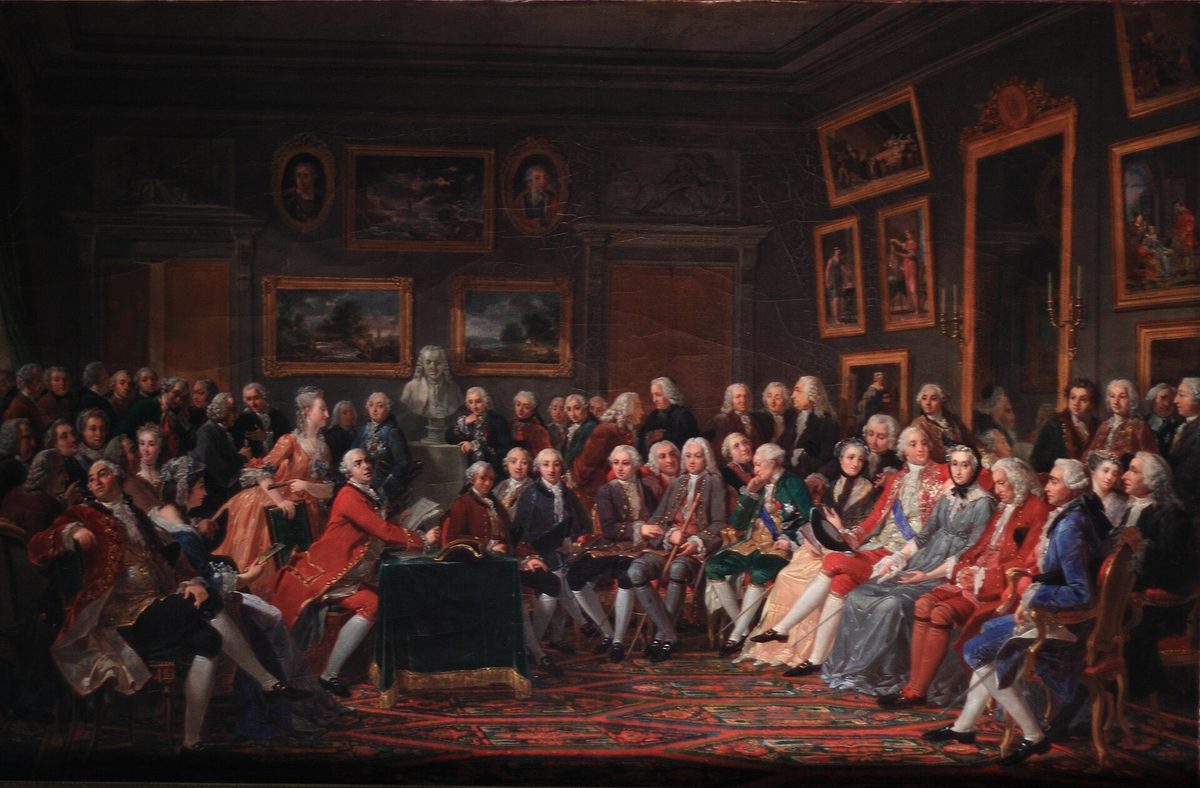
The salon as we know it begins in 17th century Paris, in the blue room of the Hôtel de Rambouillet. Catherine de Vivonne, the marquise de Rambouillet, found the court of Louis XIII too rough and too crowded, so she built a better court of her own: a smaller, brighter one, where nobles and poets could talk as equals. Corneille read his plays there before they were performed anywhere else. The précieuses turned conversation into an art form, almost a sport, with its own rules and its own rewards. The room was blue, the talk was sharp, and the idea caught.
II. The Age of Conversation
In the 18th century the salon became the engine room of the Enlightenment. Philosophers, writers and scientists gathered in the drawing rooms of Paris, most often hosted by women: Madame Geoffrin, Madame du Deffand, Julie de Lespinasse. Diderot and d’Alembert thrashed out the Encyclopédie in rooms like these before a single volume appeared in print. The ideas that remade the world were first tried out on a sofa, among friends, over strong coffee and excellent argument.
III. Across the Channel
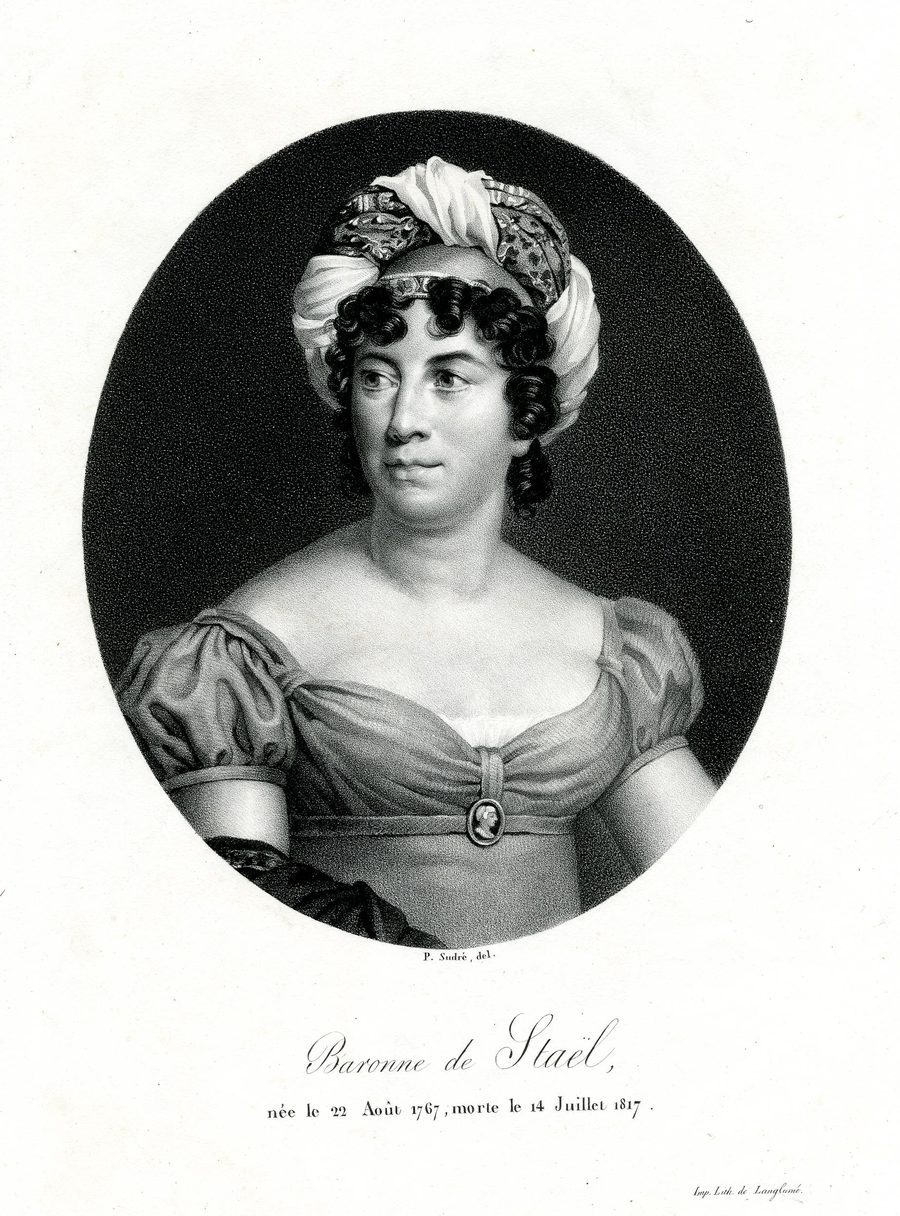
The fashion travelled. In London the Bluestockings, led by Elizabeth Montagu, gathered writers and artists for conversation without cards and without gambling. In Dublin, the drawing room did its quiet work too. The salon was never a French monopoly. It was an idea about how art and thought should move: person to person, in a room small enough that everyone can see everyone else’s face.
IV. The Music
The salon was a concert hall before concert halls existed. Chopin gave his first Paris performances in drawing rooms. Liszt and Mendelssohn played for a dozen listeners rather than a thousand. Music written for the salon was intimate by design: composed to be heard three metres away, with the candlelight and the quiet between the notes as part of the arrangement.
V. The Modern Salon
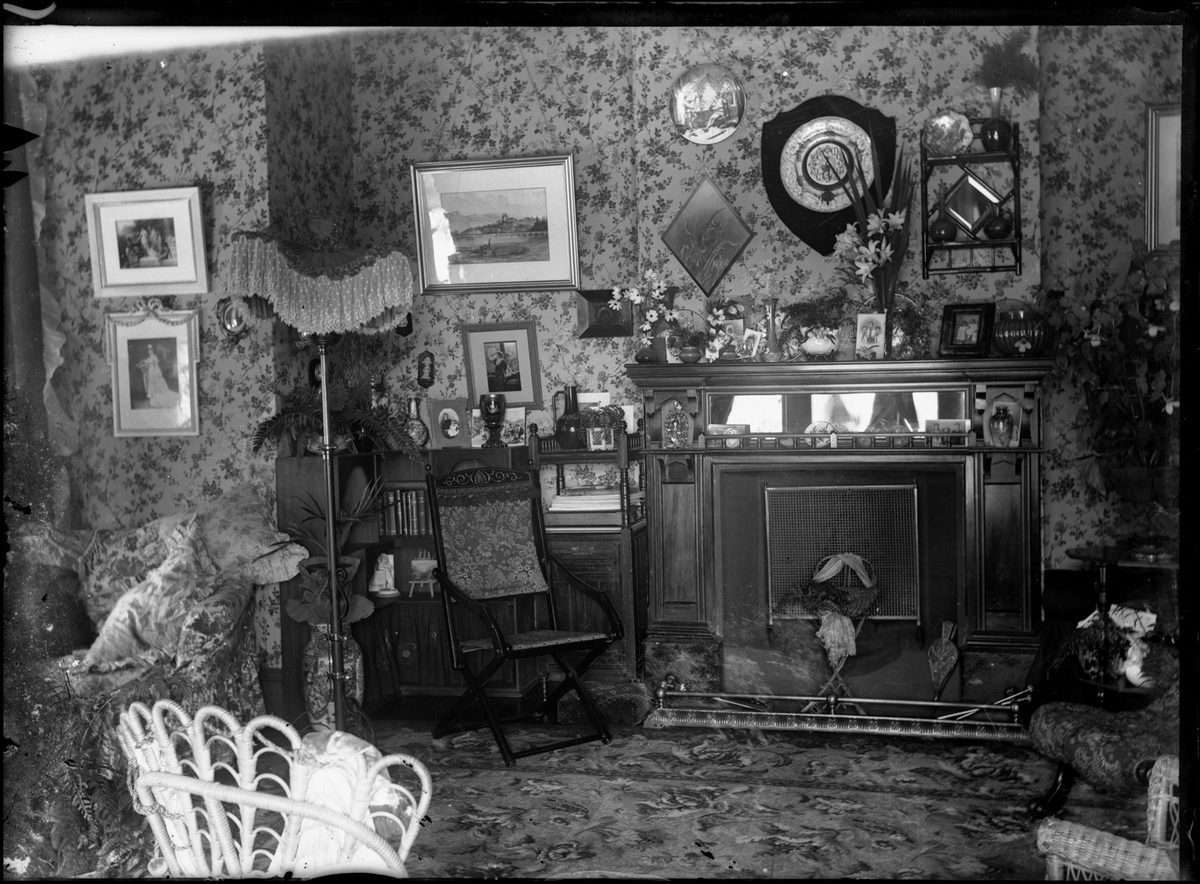
The tradition survived the 19th century and found new fire in the 20th. Gertrude Stein’s Saturday evenings at 27 rue de Fleurus became the meeting point of modern art, with Picasso, Matisse and Hemingway passing through the same small room. Natalie Clifford Barney ran a salon on the Rue Jacob for sixty years, where Colette and Rilke and a thousand others argued, read aloud, and fell in love with each other’s sentences. The format changed its clothes but never its core: a host, a room, and the deliberate mixing of people who would otherwise never meet.
VI. The Salon at Unhinged
Which brings us to a room in Galway, est. 2025. The Unhinged Salon keeps the old arrangement: a small company, an intimate space, and music and words passing between people who came to listen. Madame de Staël would recognise the shape of it at once. The candles have been swapped for LED bulbs and the dress code is officially none, but the idea is unchanged: great art moves best between friends, in a room where everyone can see everyone else breathe.